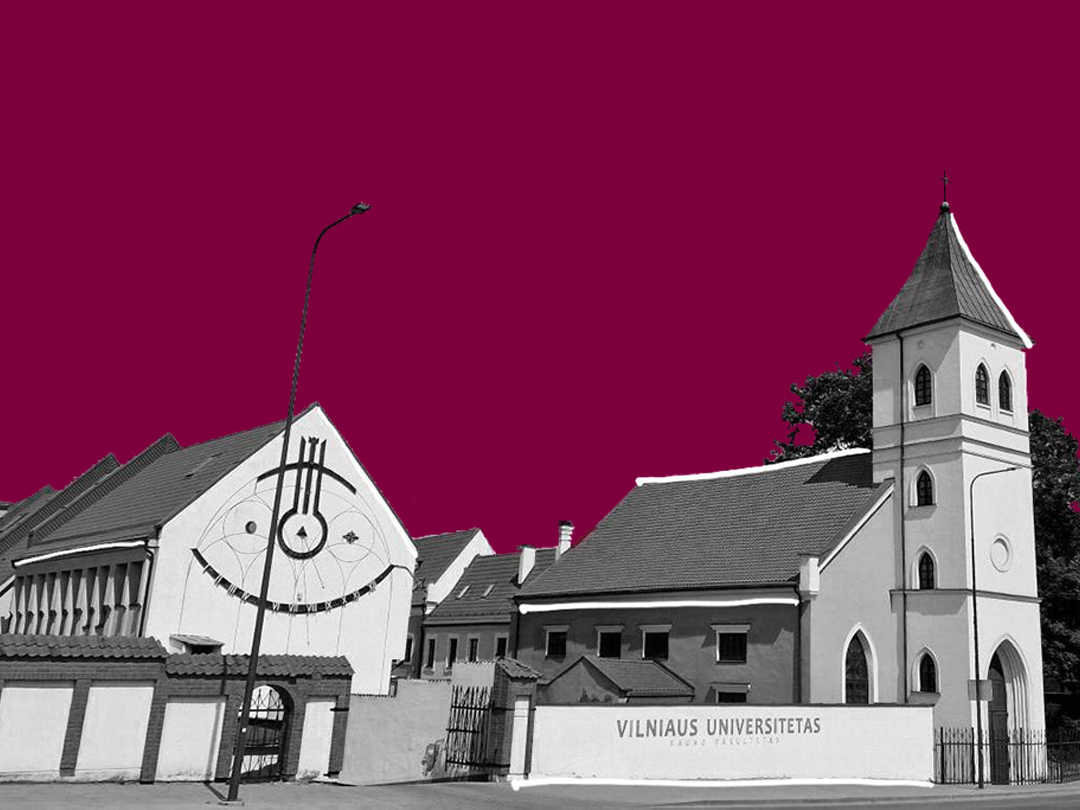
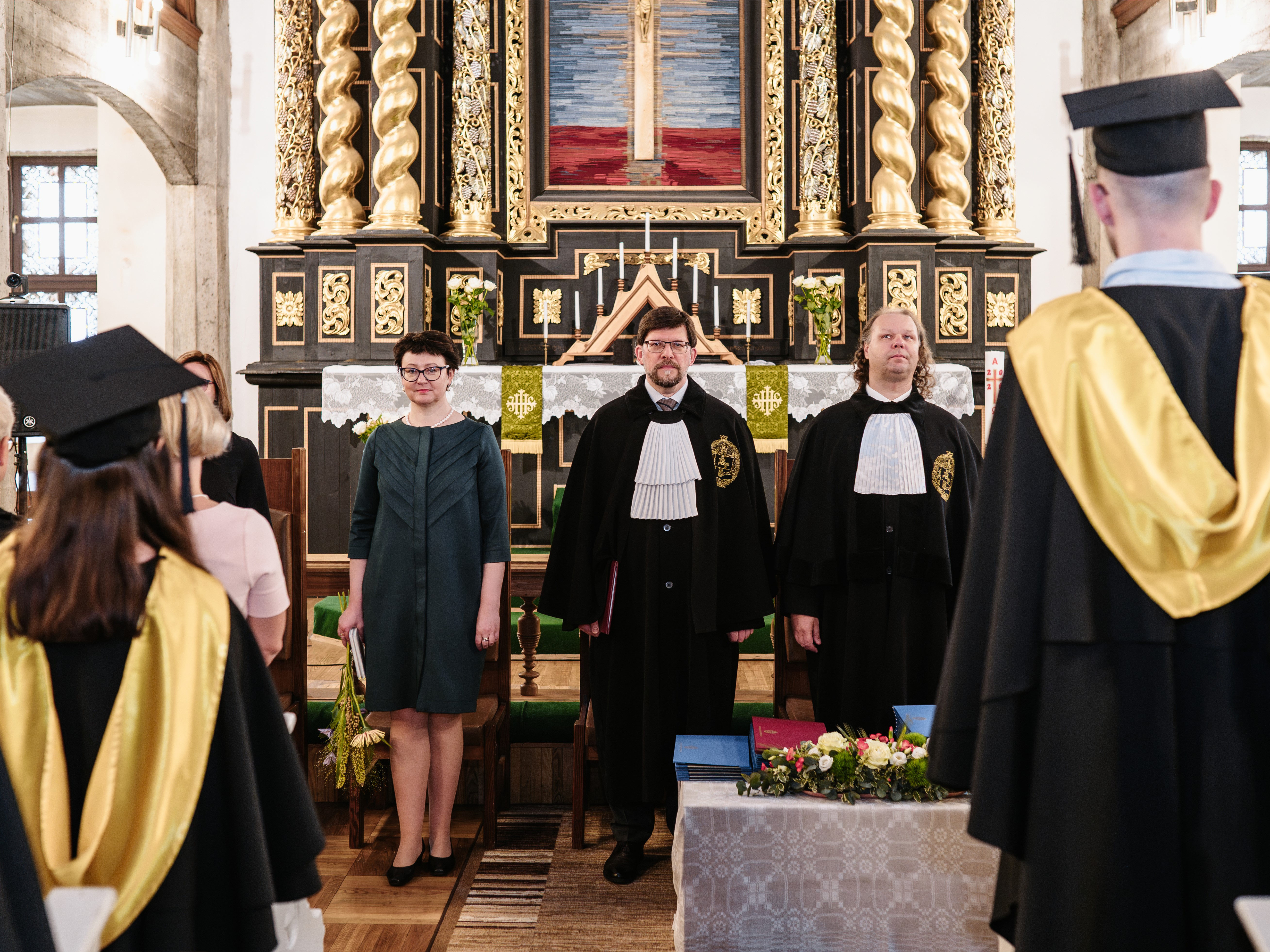
On June 19, the most important event of the academic year—a graduation ceremony—took place at the Kaunas Lutheran Holy Trinity Church. 68 bachelor’s and 49 master’s students received their diplomas at the celebration. Vilnius University bachelor’s and master’s diplomas were presented to the graduates by Vilnius University Pro-Rector for Studies Assoc. Prof. Dr. Valdas Jaskūnas and Dean of the Faculty Assoc. Prof. Dr. Giedrius Romeika.
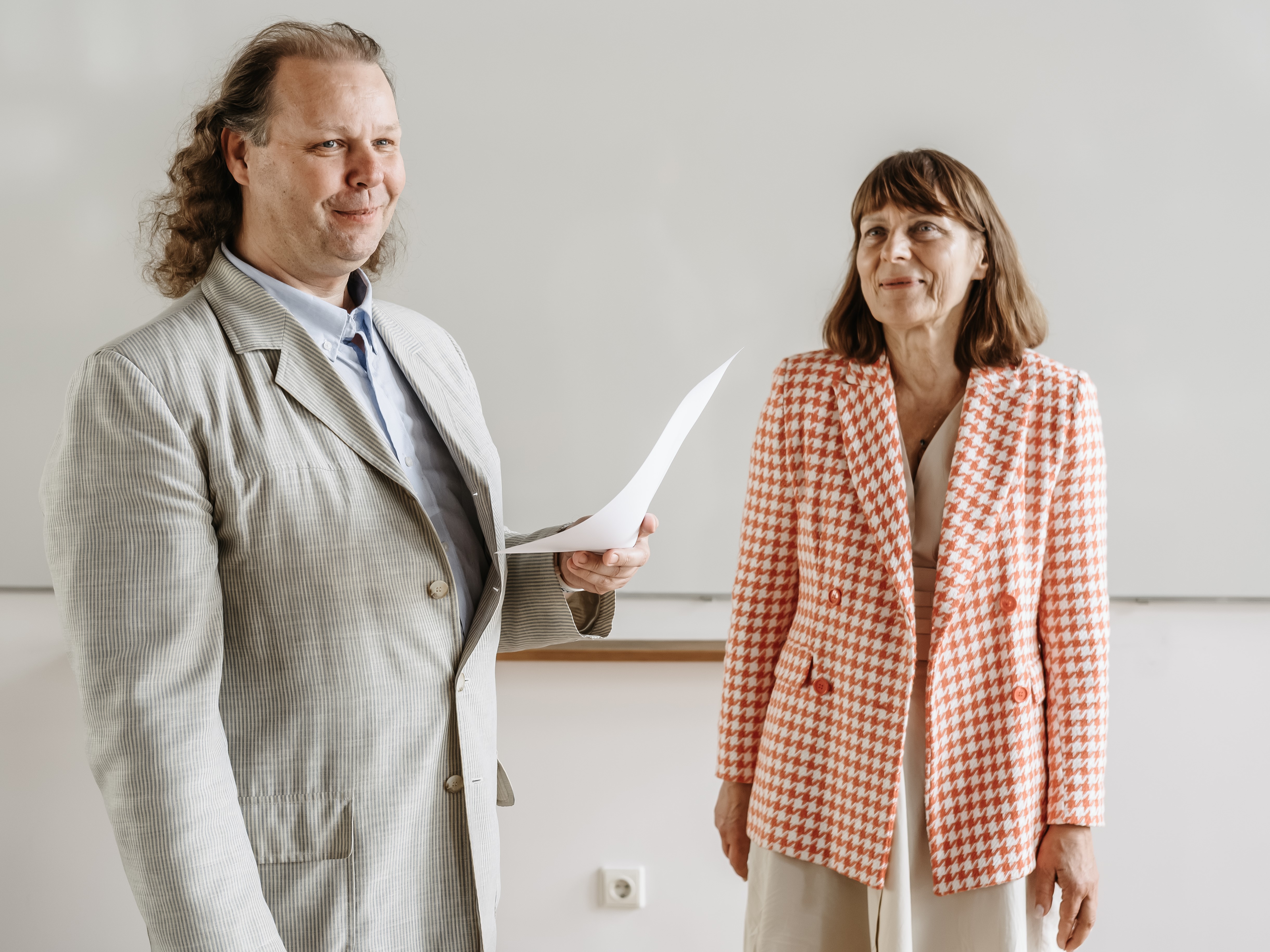
The graduation ceremony featured an inspiring speech by Vilnius University Pro-Rector for Studies Assoc. Prof. Dr. Valdas Jaskūnas. Congratulating the graduates, the Pro-Rector emphasized that the value of the university is not limited to professional knowledge alone – it is a place where one discovers and realizes one’s true calling. V. Jaskūnas wished not to be afraid of the challenges that await in the future, to be confident in oneself and not to be afraid of changes: “The university is an immeasurable space of opportunities, which is created and changed by rebellious hopes. You need to have a very vivid imagination to call Vilnius University rebellious. Still, the paradox lies in the fact that instead of rebelling itself, it ignites rebellious hope in the heart of every student. It arises from the desire to know what is unknown, to experience what is not experienced, and to make mistakes that we will make anyway. Without it, there would be no openness to the world, to our own and others' future. However, this hope alone is not enough. It must be nurtured, transformed into a new reality, change and be changed. Therefore, use the opportunities that open up to you and be sure – you will never be ready for changes. And if you feel ready – there will be no changes.”
The guests were also congratulated by the Dean of the Vilnius University Kaunas faculty, Assoc. Prof. Dr. Giedrius Romeika. On behalf of the faculty, symbolically thanking the graduates’ family members and friends for their patience and support, he promised to return the students’ time, thoughts and emotions devoted to their studies. The dean emphasized that the VU Kaunas faculty is always open to returning: “A new stage of life begins, in which a Vilnius University diploma opens many new doors all over the world. And even though the world is getting wider, I just want to remind you of one thing – you are always welcome in our common academic home.”
Read more: Diplomas awarded to VU Kaunas Faculty graduates


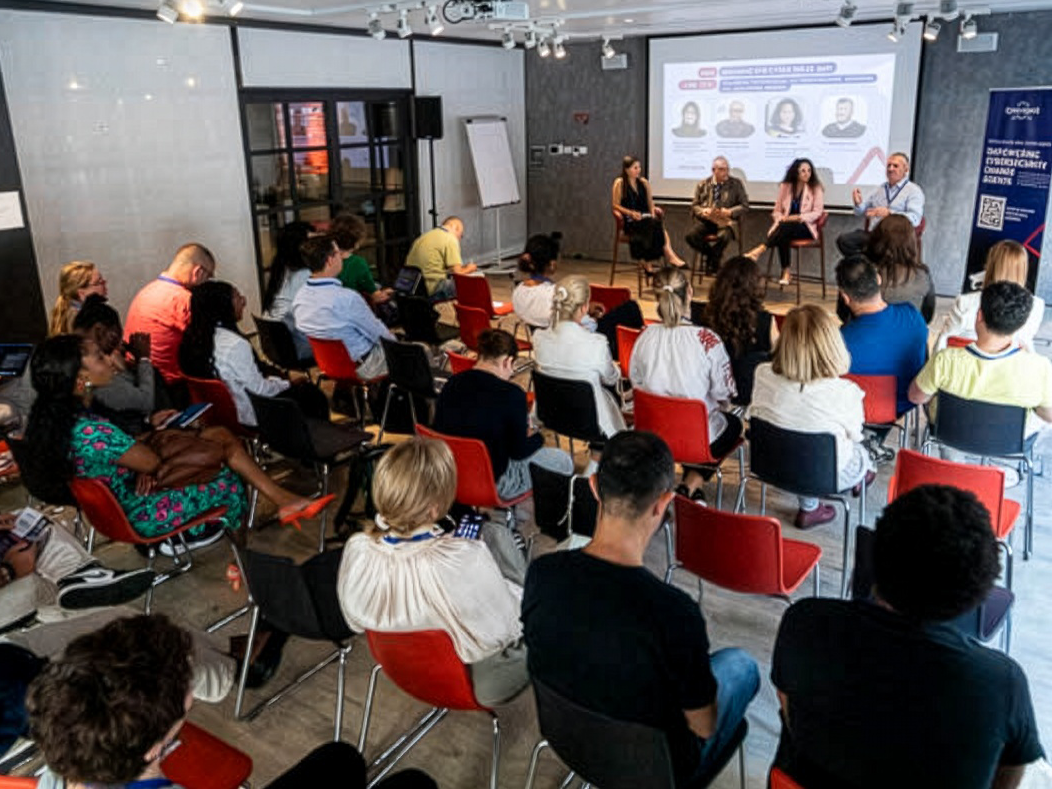 The three-year CyberAgent project, which has reached nearly half a million Europeans, announces its conclusion. The European Union-funded initiative demonstrated that cyber resilience in small and medium-sized enterprises (SMEs) is built not only by implementing technologies but, above all, by providing necessary knowledge to the employees themselves. The training ecosystem developed during the project enabled the preparation of more than 400 internal cybersecurity change agents and achieved high women's inclusion rates.
 Bridge requires strategic and logical thinking, a good memory, teamwork, and the ability to understand the logic behind your partner’s strategy.